The temps are dropping. It's time to get your home ready for winter. Here are steps you should follow and complete prior to the first snowfall:
1. Landscaping, Hoses and Irrigation Systems
Wrap your plants, shrubs, and small trees to keep them warm during the winter. This also prevents breakage. It is also the time of year to apply the winterizer fertilizer to your lawn.
Disconnect the hoses from all outdoor spigots. Drain the hose and store it. If you have an irrigation system, it’s time to drain it unless you have drains installed. If you don’t, it's a good idea to drain them. Water that is left in the system during the winter may cause valves or other system components to malfunction when the system needs to be operating at peak efficiency, during the spring and summer seasons. Check the manufacturer’s instructions but the basic steps include turning off the timer, closing the valves, draining the pipes, and covering above ground pipes with insulation.
2. Prevent Your Pipes From Freezing
There are two sets of rules for how to take care of your pipes in the winter, one is for the 'snowbird', and the other is for the local or owner that will be using their water daily. First of all, know where your water shut off valve is. If you don’t know, call a plumber.
If you’re gone for the winter, consider turning off the water to your home. When you shut it off at the valve, open all faucets throughout the house and flush the toilets to empty the tanks. Set your thermostat for 50. (tip: remember to turn the faucets off in spring before you turn the water back on!)
If you live in Lake Tahoe or the house is used frequently, make sure the heat is kept at a minimum of 60 as you don’t want pipes to freeze. You can also leave the cabinet doors open that lead to pipes (under the bathroom sink) to allow heat to flow.
Close your foundation vents to prevent cold air from getting under your home. Most homes are already built to protect pipes during the winter. Ensure there are no holes to the roof and under the house that would allow cold air around your pipes. Some people like to leave faucets on to allow for a continuous small drip. This wastes water and if homes are newer, completely unnecessary.
3. Chimney and Fireplace
Call a chimney sweep unless you are familiar with the process of cleaning the creosote from the inside of your chimney. If you have a wood burning stove you still need to clean either the pipe or the chimney, depending on if you have a free standing unit or an insert. If you have bricks, make sure they look good and aren’t missing any mortar.
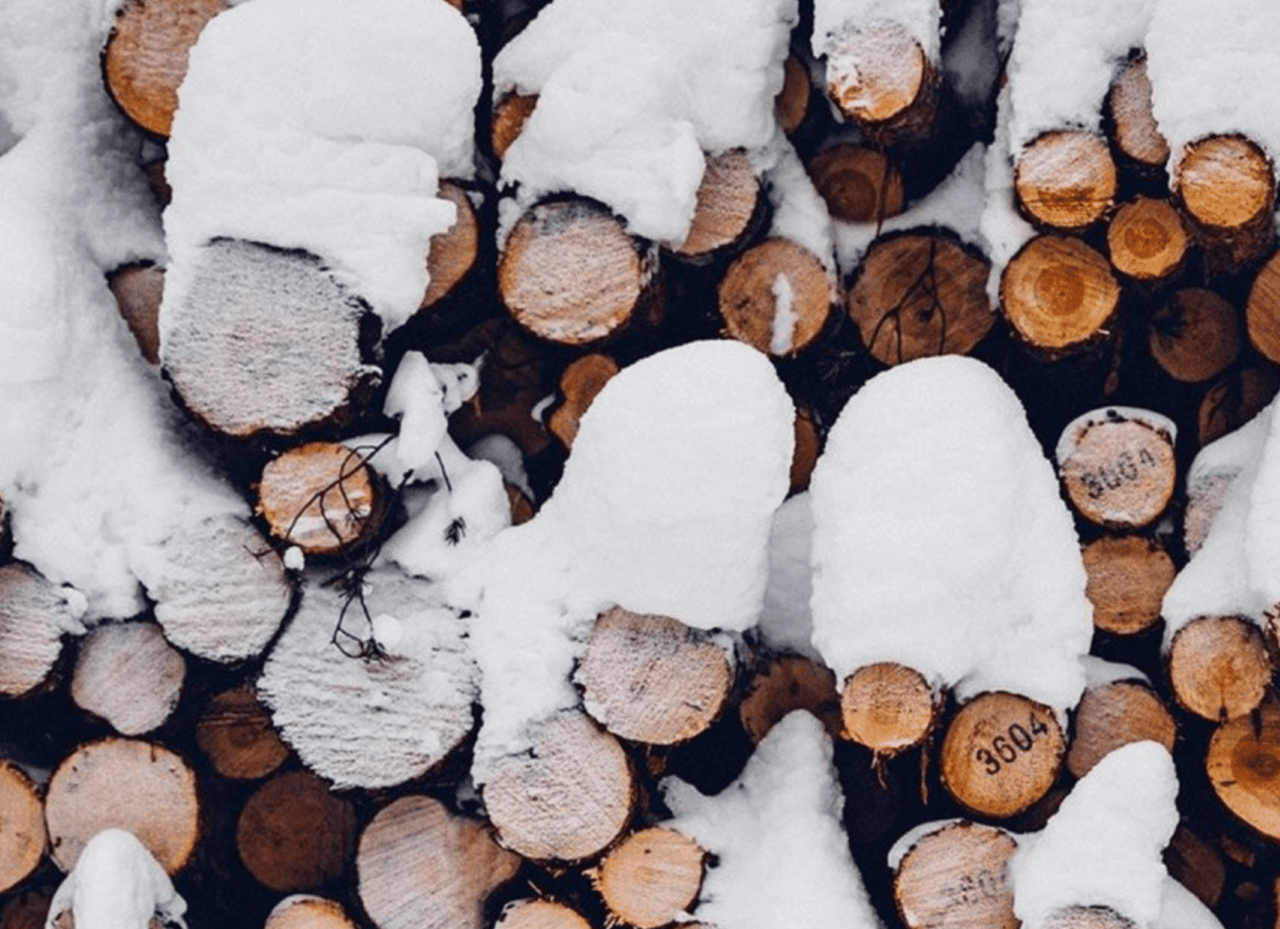
It's also time to start stocking up with what goes in the chimney and fireplace: the wood including kindling.
4. Heating System and Vents
Call your local furnace vendor and have them inspect your furnace. Many of the newer units need to be opened by a professional to change the filters annually. While they are there to do that, have them check the ducts, clean the vents, and check for any leaks such as carbon monoxide. It is a great idea to get a carbon-monoxide detector installed…they are cheap, found at any hardware store and easy to install.
5. Snow Removal
There is nothing worse than taking that first shovel full of snow off your walkway to find out that it’s broken and the store is out of their supply. Check out last year’s shovels and snow blower to make sure they are working and in good condition. If you don’t want to do any of the snow removal there are several local companies that will do it for you. You can either sign up for a season or call them out when needed. It’s also good to have a bag of “ice melt” ready to go too. It never fails, when the first icy day comes along everyone runs to the store to buy a bag only to find the supply gone.
6. Doors and Windows
Cold air coming in through air leaks can be costly. If you don’t have energy efficient windows we have a local company that does a great job and normally has some upgrade deals. You can also apply weatherstripping fairly easily and cheaply so check your doors for cracks or missing pieces. Caulking also breaks down over time around windows, so re-apply when/where needed.
7. Inspect Outside and Check Roof, Gutters and Windows
Walk around your house and look for any issues such as missing roof shingles, cracks in windows and siding issues that may need addressing. Its better to fix in nice weather than in the middle of a rain or snow storm. I'm happy to provide you with an inspection check list you can use while walking around your home.
Remove the pine needles and pine cones out of your gutters and make sure the heat tape is attached and ready to go. If you don’t have heat tape this is a good time to invest in it. It’s like an electrical cord that is attached to the end of your roof in a zig-zag pattern. You plug it in and it prevents ice build up damming on your roof.
8. Cars
No matter what type of car you have you’ll need to make sure your anti-freeze is set for -20 degrees. Even though our lows are normally much higher than -20, every once in awhile a cold front will bring with it a low chill factor.
Get chains or 4-wheel drive looked at to ensure they’re functional. If you use studded snow tires on the California side of Lake Tahoe, they can be on your car from November 1 until April 30 only. On the Nevada side they are allowed from October 1 to April 30.
This is a lot of work. I have a complete vendor list which I'm happy to share. My team and I are also here to help meet vendors for you and assist in the winterizing process for all our clients.
Sourced from Tahoe Mountain Realty and North Tahoe Public Utility District