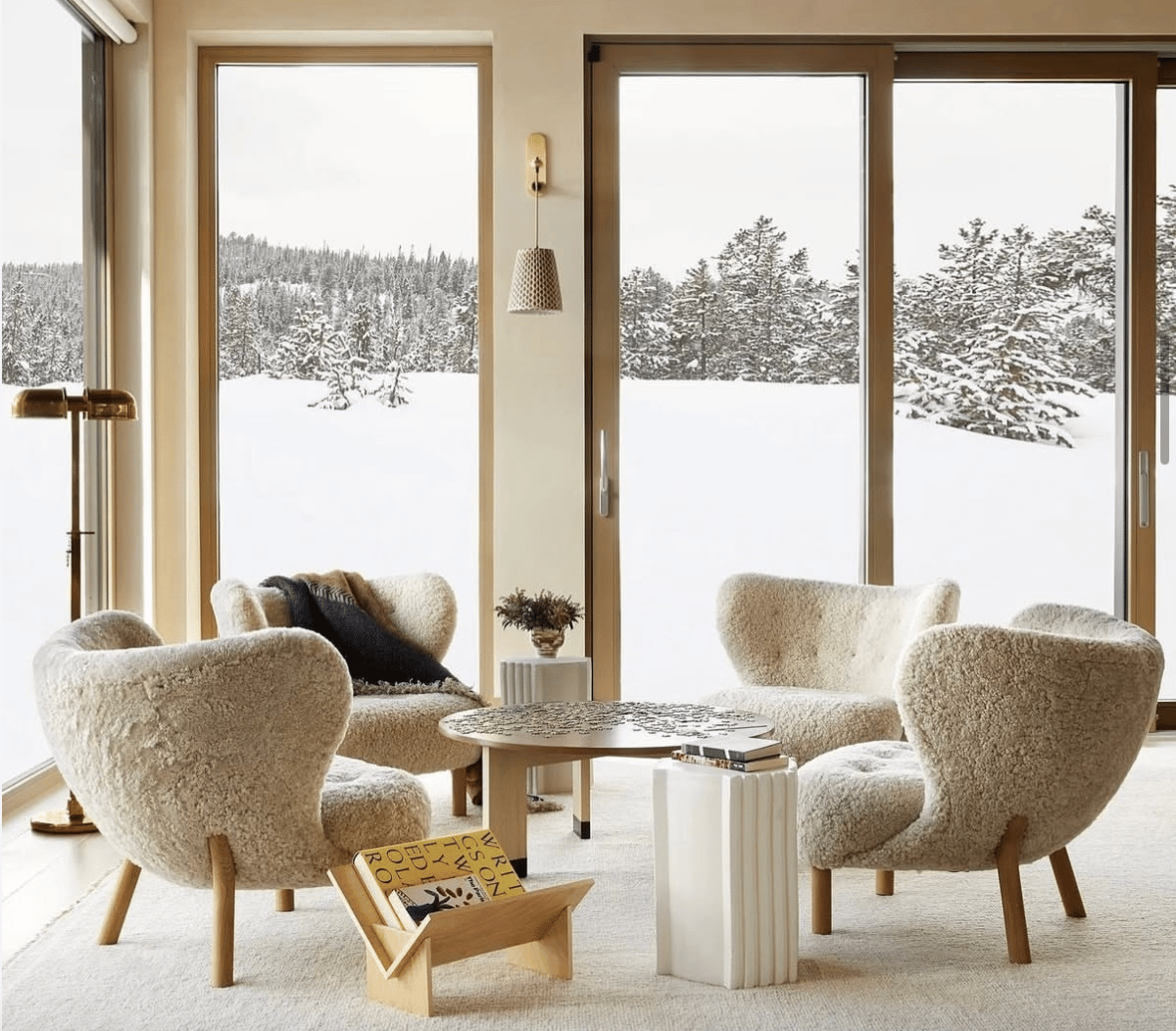
How High-Elevation Architecture Captures the Sun
In the heart of winter, when days feel short and the mountains hold their quietest, most luminous beauty, light becomes one of the most powerful architectural elements in an alpine home. February is the month when we notice it most. The low-angle sun skimming across snowy slopes. Soft morning beams filtering through pines. The warm glow inside a great room when the world outside is crisp and blue.
In mountain living, light isn’t just illumination. It’s emotion, orientation, energy, and ultimately... value.
The Poetry of Winter Light
Alpine homes experience light differently. Snow acts as a reflective canvas, bouncing brightness into spaces that might otherwise feel dark in winter. Long shadows create depth. Morning light becomes ritual. Evening light turns rooms golden and still.
Designers know that windows aren’t simply apertures, they are storytelling devices. A tall window becomes a frame for the forest. A clerestory band animates a room with shifting patterns. A glass wall softens the boundary between shelter and landscape.
These are the moments that make a mountain home feel alive.
The Architecture That Works With - Not Against - the Season
Thoughtfully designed alpine homes lean into the winter sun with intention:
-
South-facing glass that captures warmth and views
-
Deep overhangs that soften glare while allowing low-angle light to reach deep inside
-
Clerestory windows that pull sunshine across rafters and beams
-
Skylights and light wells that brighten interior corridors
-
Material palettes (warm woods, matte stone) that celebrate contrast and glow
The result? Homes that feel vibrant even in February’s quietest, coldest days.
Why Winter Light Matters in Real Estate
In Tahoe–Truckee’s second-home market, natural light is one of the most requested—and most deeply felt—buyer priorities. It shapes the energy of a room, impacts how a home lives in winter, and enhances a sense of well-being.
Three real estate considerations stand out:
1 | Orientation and siting contribute meaningfully to value.
South, and southwest-facing, lots or homes positioned for optimal winter light often command a premium.
2 | Window strategy can “expand” perceived space.
Light makes rooms feel larger, more open, and more architectural, key factors in buyer decision-making.
3 | Homes that photograph beautifully perform better.
In a digital-first marketplace, winter light can turn a listing into an emotional experience.
As I walk clients through homes in February, the conversation often begins with, “Look at this light.” And more often than not, that moment becomes the spark of connection that sells the home.
Photo: Redmond Alderich Design